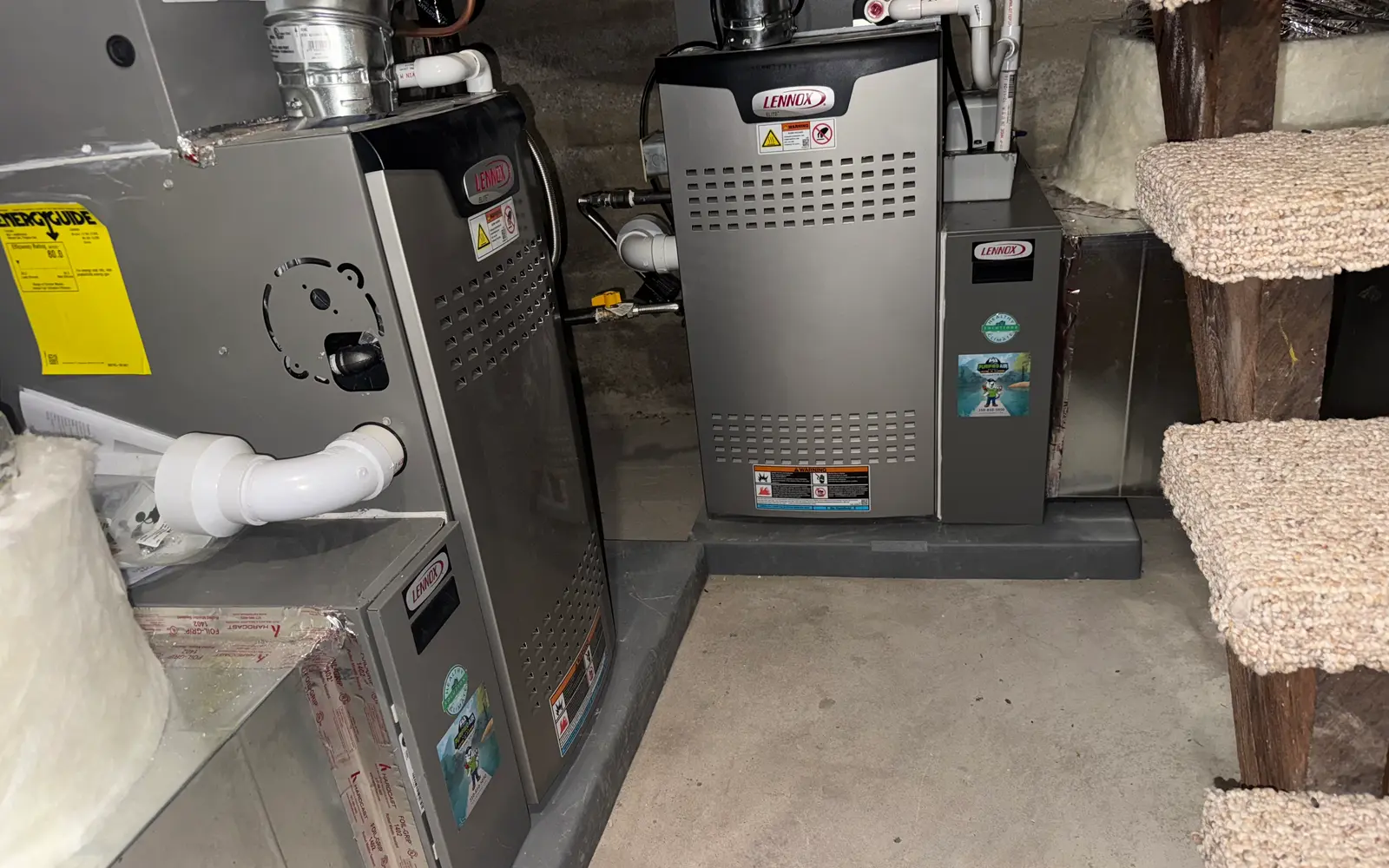
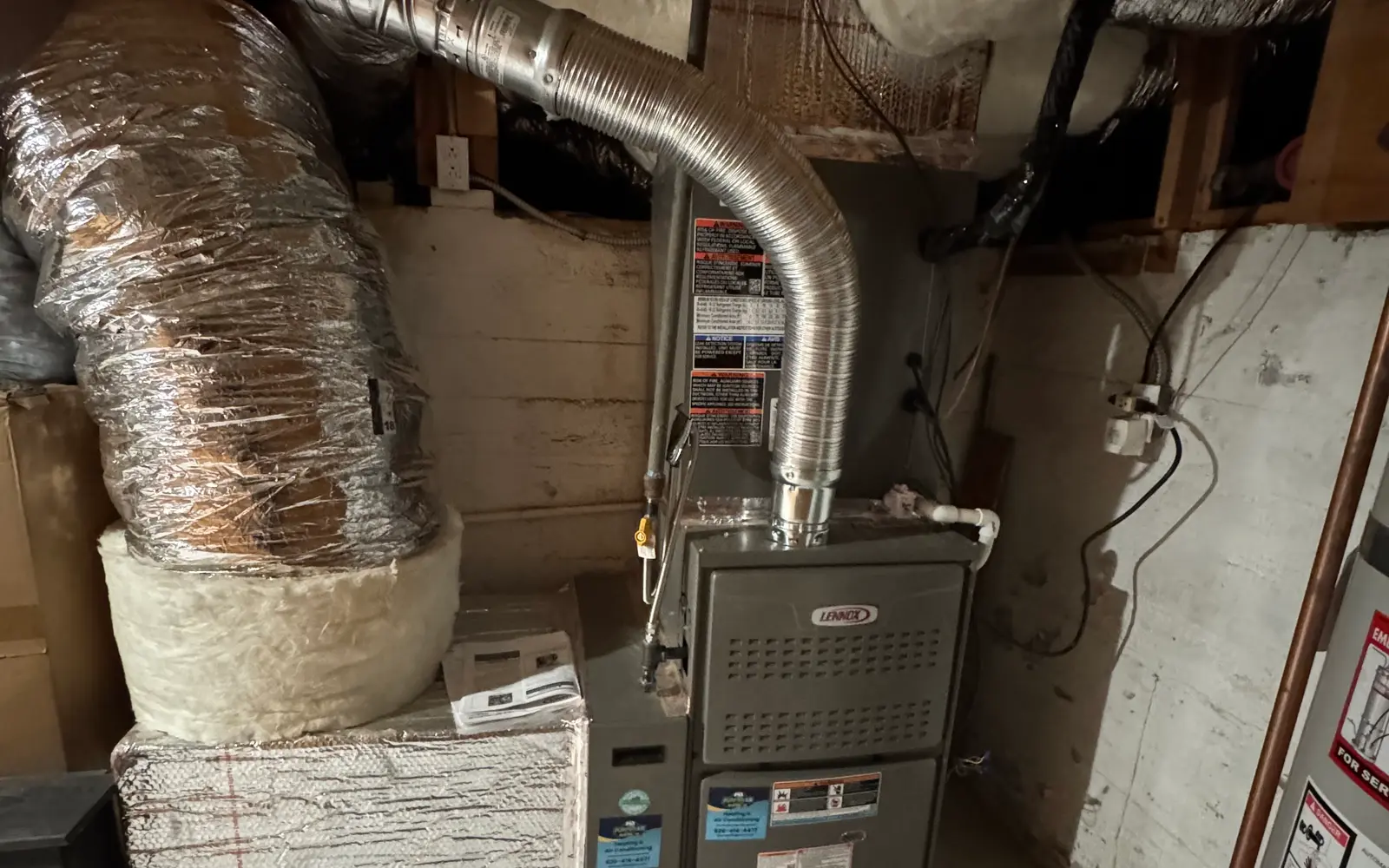
When most homeowners think about heating repairs, they picture an emergency call on a cold night and a scramble to get the furnace running again. But the way we repair and maintain heating systems is changing, and the changes are good news for both your wallet and the environment.
The old approach to heating repair was simple: patch the problem, get the heat back on, and repeat until the system finally gave out. The newer approach looks at every repair as a chance to make the system run cleaner and cheaper, not just run again. Here's what that shift looks like in practice.
Smarter Diagnostics Mean Fewer Wasted Repairs
One of the biggest changes in modern heating repair is how problems get diagnosed. Instead of swapping parts until something works, today's technicians use diagnostic tools that measure airflow, combustion performance, and electrical draw to pinpoint the actual cause of a failure.
That matters for two reasons. First, you're not paying for parts and labor that don't solve the problem. Second, a repair that addresses the root cause keeps the system from limping along in a degraded state, quietly burning more fuel than it should. A furnace that short cycles because of a misdiagnosed airflow problem wastes energy on every single cycle, so an accurate diagnosis is an efficiency upgrade all by itself.
Eco-Friendly Doesn't Mean Expensive
There's a common assumption that greener choices always cost more upfront. With heating repairs, the opposite is often true, because the eco-friendly option is usually the one that reduces wasted energy, and wasted energy is what you've been paying for all along.
When a component fails, the repair visit is a natural moment to make small upgrades that pay for themselves over time:
- High-efficiency replacement parts: Modern blower motors, for example, use considerably less electricity than the older motors they replace, while moving air more consistently.
- Better thermostat control: Pairing a repair with a programmable or smart thermostat helps the system run only when it actually needs to.
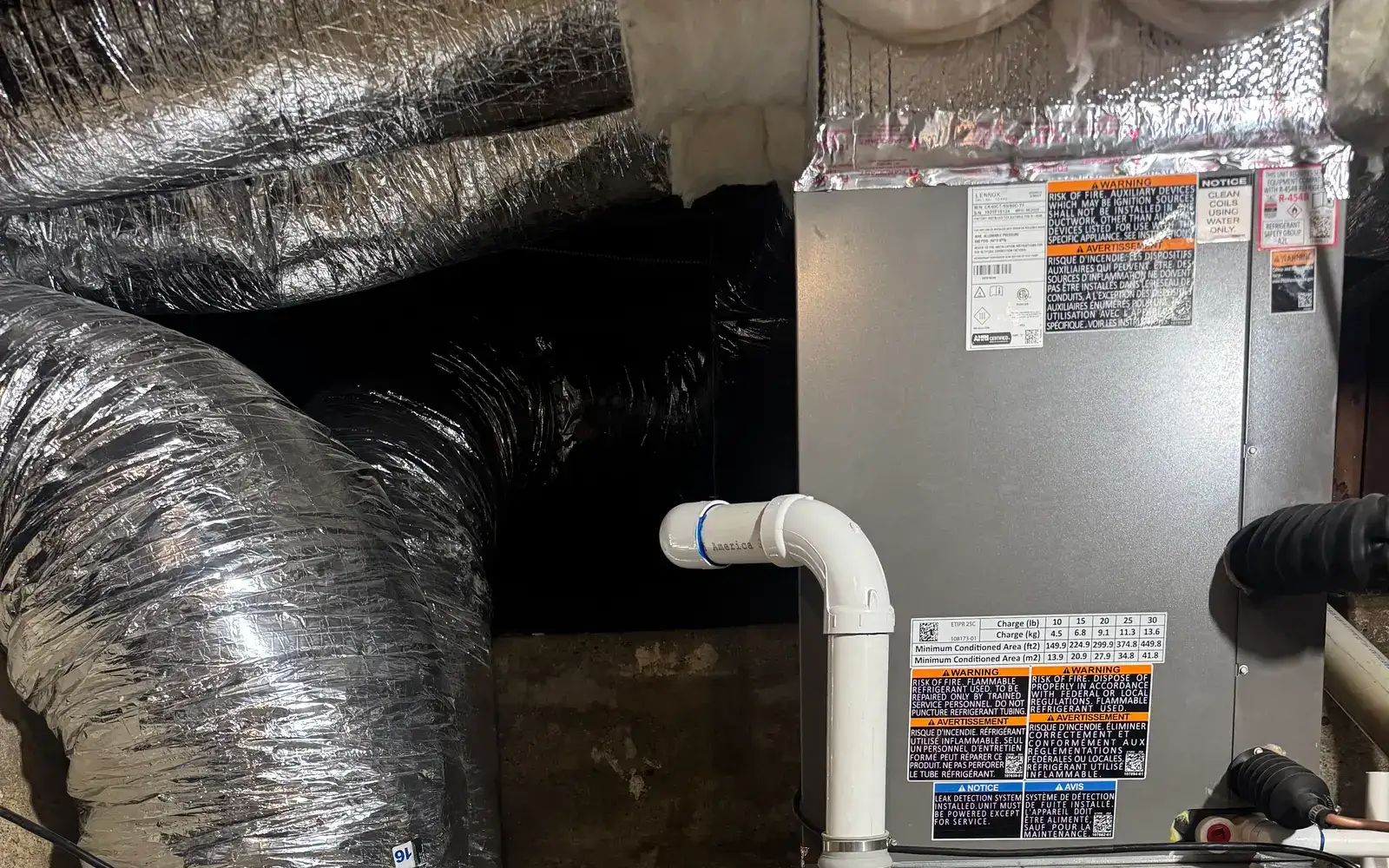
- Sealing and insulation checks: Conditioned air that leaks out of ductwork before reaching your rooms is pure waste, and catching it during a repair visit is far cheaper than a separate service call.
- Proper refrigerant handling: For heat pump systems, responsible recovery and charging protects both the equipment and the environment.
None of these are dramatic changes on their own. Together, they add up to a system that costs less to run every month it operates.
The Heat Pump Factor
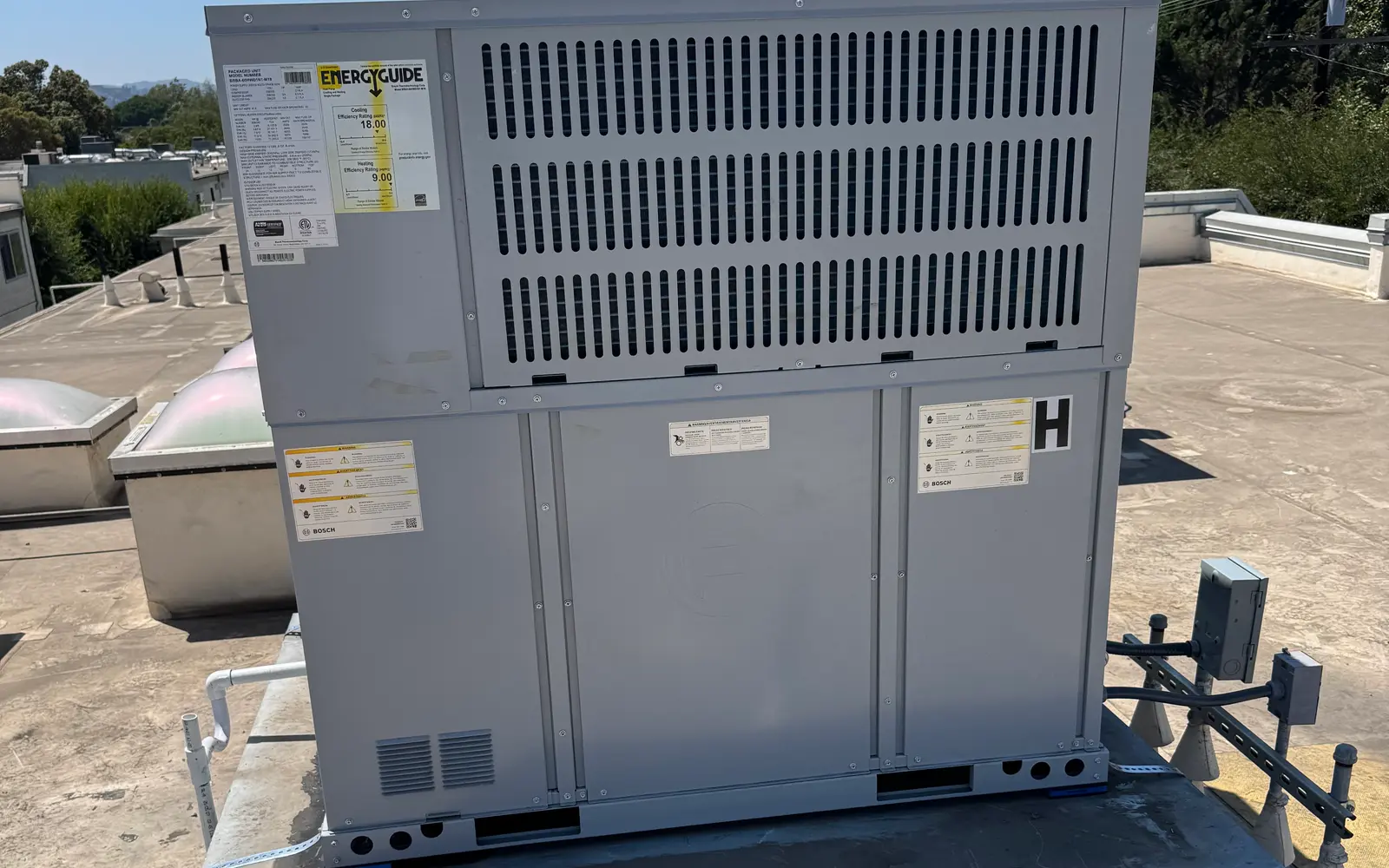
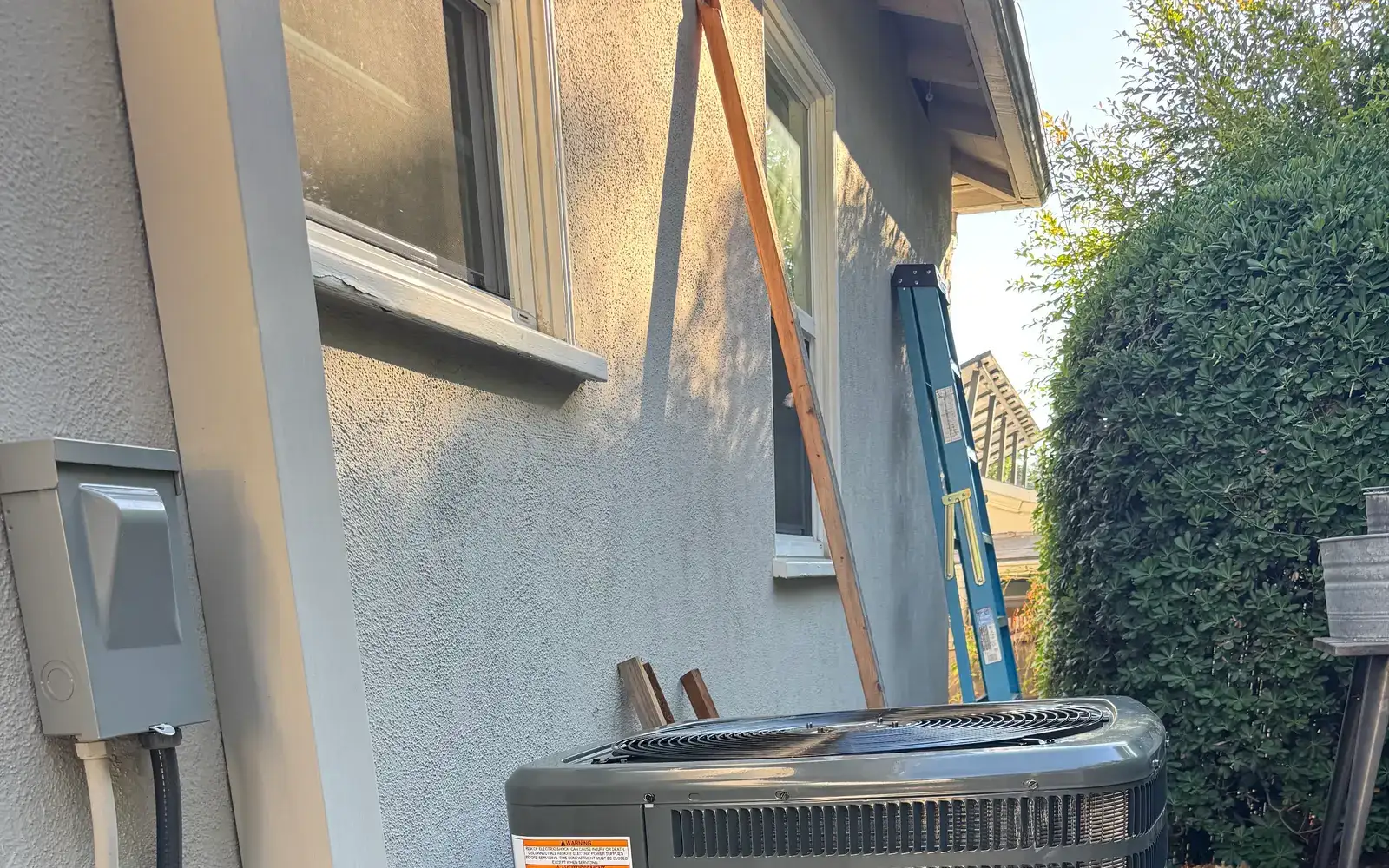
No conversation about the future of home heating is complete without heat pumps. Unlike a furnace, which generates heat by burning fuel, a heat pump moves existing heat from the outside air into your home. Moving heat takes far less energy than creating it, which is why heat pumps have become the centerpiece of energy-efficient home comfort, especially in a mild climate like Southern California's.
For homeowners with aging furnaces, this changes the repair-or-replace conversation. When a major component fails on a system that's already 15 or more years old, it's worth asking whether the money is better spent on a repair or put toward a heat pump that handles both heating and cooling from one efficient system. A good technician will walk you through that math honestly instead of defaulting to whichever option is easiest to sell.
Maintenance Is the Greenest Repair of All
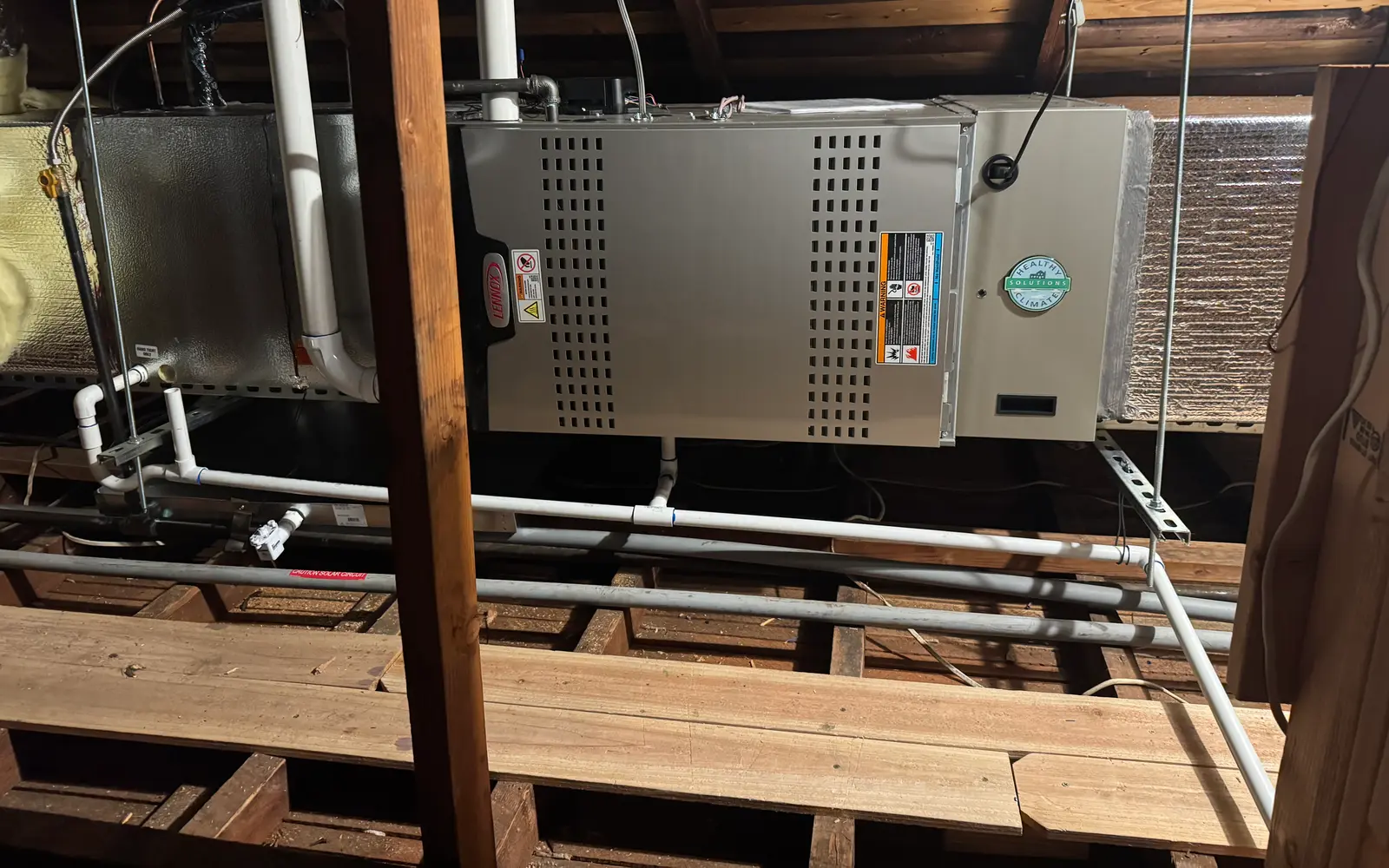
The most eco-friendly and cost-effective repair is the one you never need. Regular heating maintenance keeps burners clean, airflow unrestricted, and components properly adjusted, which means the system uses less fuel to produce the same warmth and its parts wear out more slowly.
Maintenance also catches small problems while they're still small. A slightly worn belt or a dirty flame sensor costs little to address during a scheduled visit. Left alone, those same issues can cascade into failures that take out expensive components, and manufacturing and shipping a replacement part carries its own environmental cost on top of the repair bill. Prevention is quietly the greenest choice in the entire heating industry.
What This Means for Your Home
You don't need to overhaul your entire heating system to benefit from these changes. Start with the basics: get an accurate diagnosis when something goes wrong, ask about efficient replacement parts, keep up with annual maintenance, and when your system does reach the end of its life, give heat pumps a serious look.
At Purified Air, we bring this approach to every heating repair we handle across Pasadena and Los Angeles County. Our licensed technicians diagnose the real problem, explain your options plainly, and help you choose the solution that makes sense for your home and your budget. Call us today at 626-621-2220 to schedule your heating service.