It is 98 degrees in Pasadena, the AC just quit, and your first instinct is to grab the phone. Give it five minutes first. Plenty of the "my system just stopped" calls we take come down to something you can spot and fix yourself, often without any tools at all. Running through this list before you dial can save you a service call, and if it turns out you do need us, you will know exactly what to tell us.
1. Start with the thermostat
It sounds almost too simple, but the thermostat is behind more "dead" systems than anything else on this list.
Check three things. Make sure it is set to the mode you actually want, COOL in summer or HEAT in winter, and not still sitting on OFF from the last season. Confirm the target temperature is set past the current room temperature, or the system has no reason to kick on. And check the batteries, even if your thermostat is wired into the house. Plenty of hardwired models still keep a set of backup batteries, and when those drain the screen can go blank and the system stops responding. That one catches people off guard, since it is easy to assume a wired thermostat cannot have a battery problem. If the display is dim or dead, fresh batteries are the first thing to try, and a surprising number of no-cool calls end right there.
If you have a smart thermostat, a stalled software update or a dropped Wi-Fi connection can also freeze it. A quick reset at the breaker often brings it back.
2. Look at your air filter
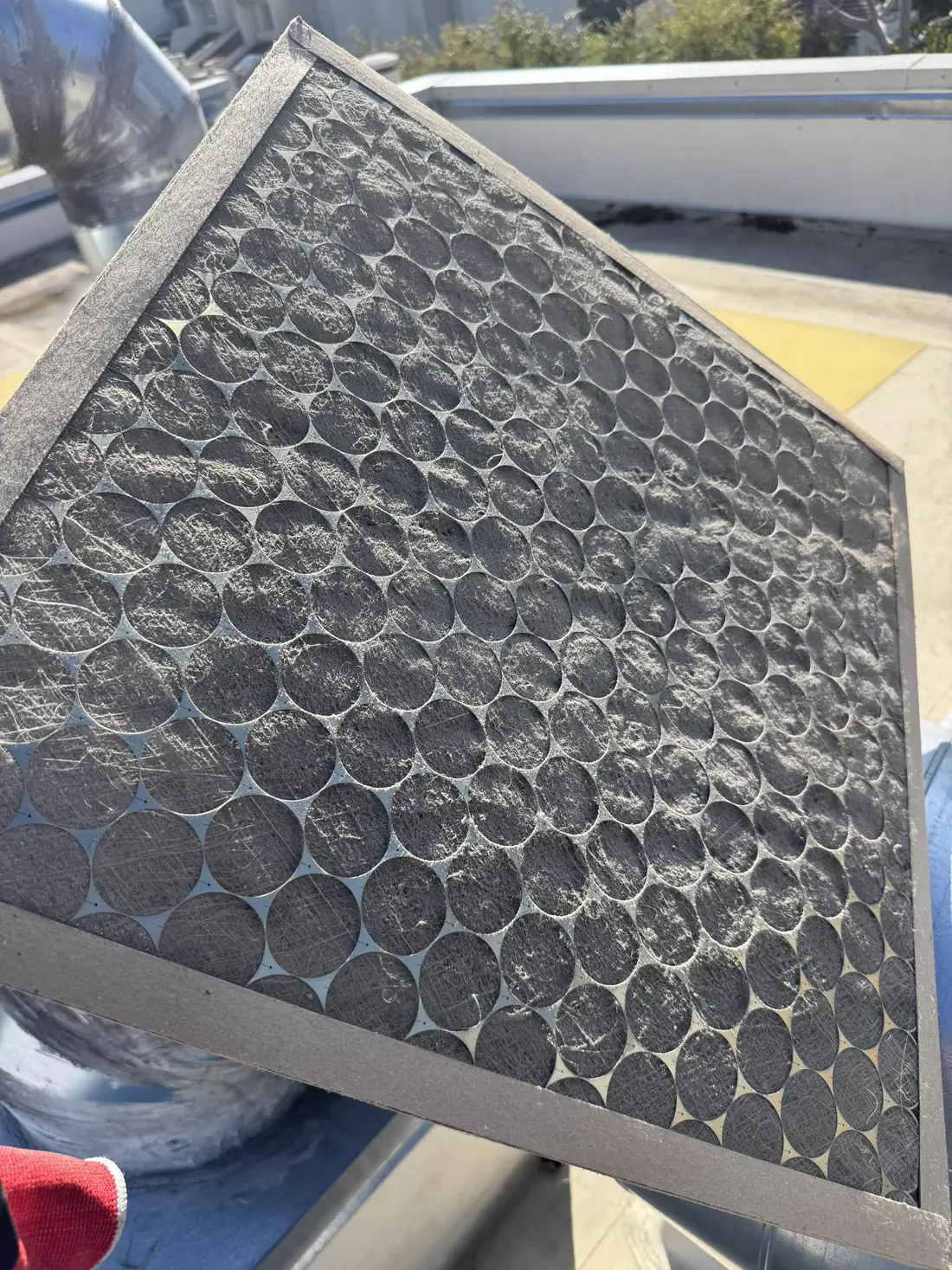
A clogged filter is the single most common reason a system runs but barely cools, short-cycles, or shuts down entirely. When the filter is packed with dust, air cannot move across the coil, and the whole system chokes.
Pull the filter and hold it up to a light. If you cannot see light through it, it is done. Homes across the San Gabriel Valley go through filters faster than the national average, especially during Santa Ana season and any stretch of wildfire smoke, when the air carries far more fine particulate than usual. If yours has been in longer than 60 to 90 days, swap it and see if the problem clears.
3. Check the breakers and disconnect switches
Air conditioners pull a lot of power, and a tripped breaker will stop the system cold.
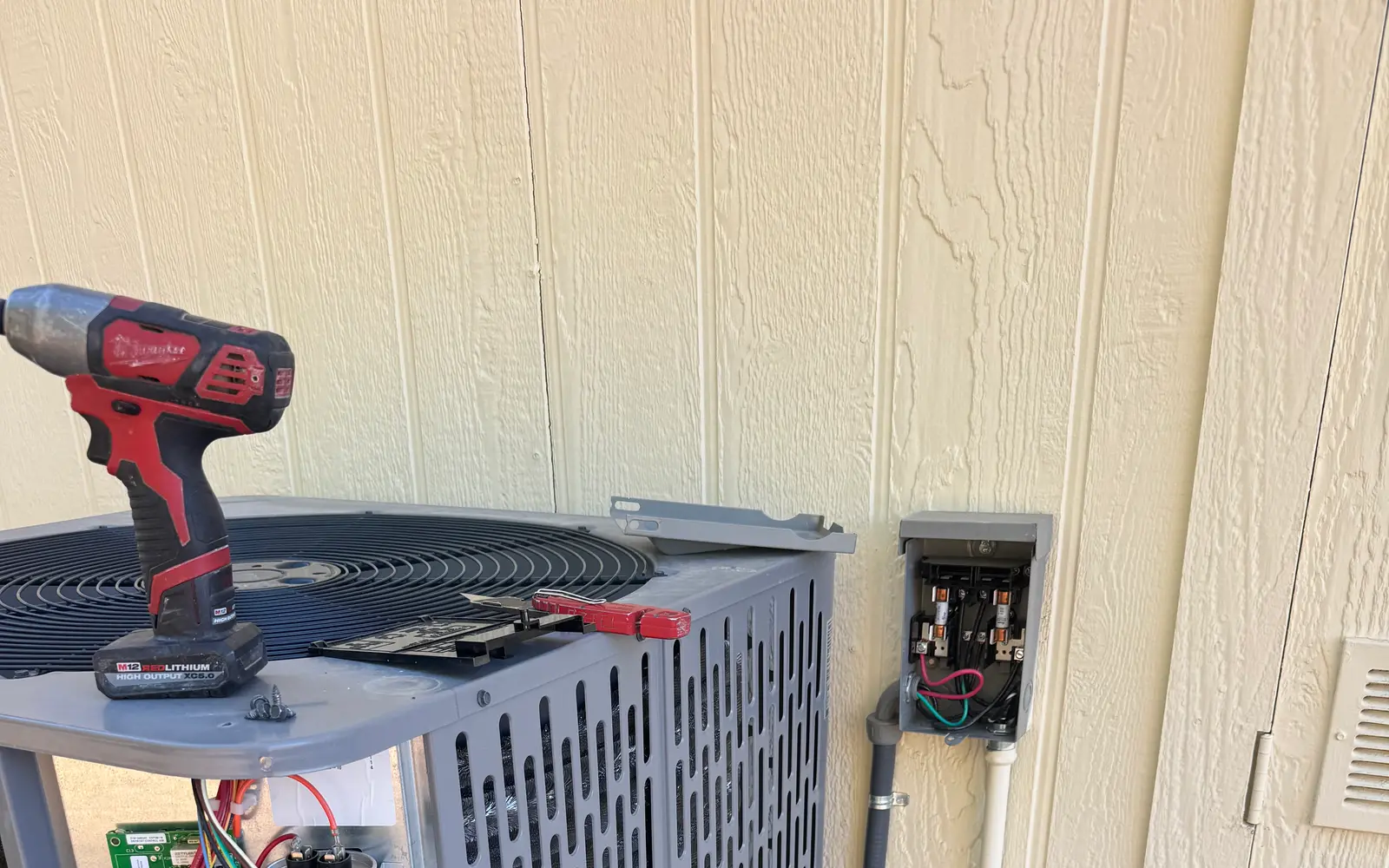
Open your electrical panel and look for a breaker that has flipped to the middle or OFF position. Flip it fully off, then back on. There are usually two more switches worth checking: a disconnect box mounted on the wall near the outdoor unit, and a switch that looks like a regular light switch near the indoor furnace or air handler. Both need to be on.
One caution. If the breaker trips again right after you reset it, stop. A breaker that keeps tripping is protecting you from a real electrical fault, and that is a call to make, not a switch to keep flipping.
4. Clear the outdoor unit
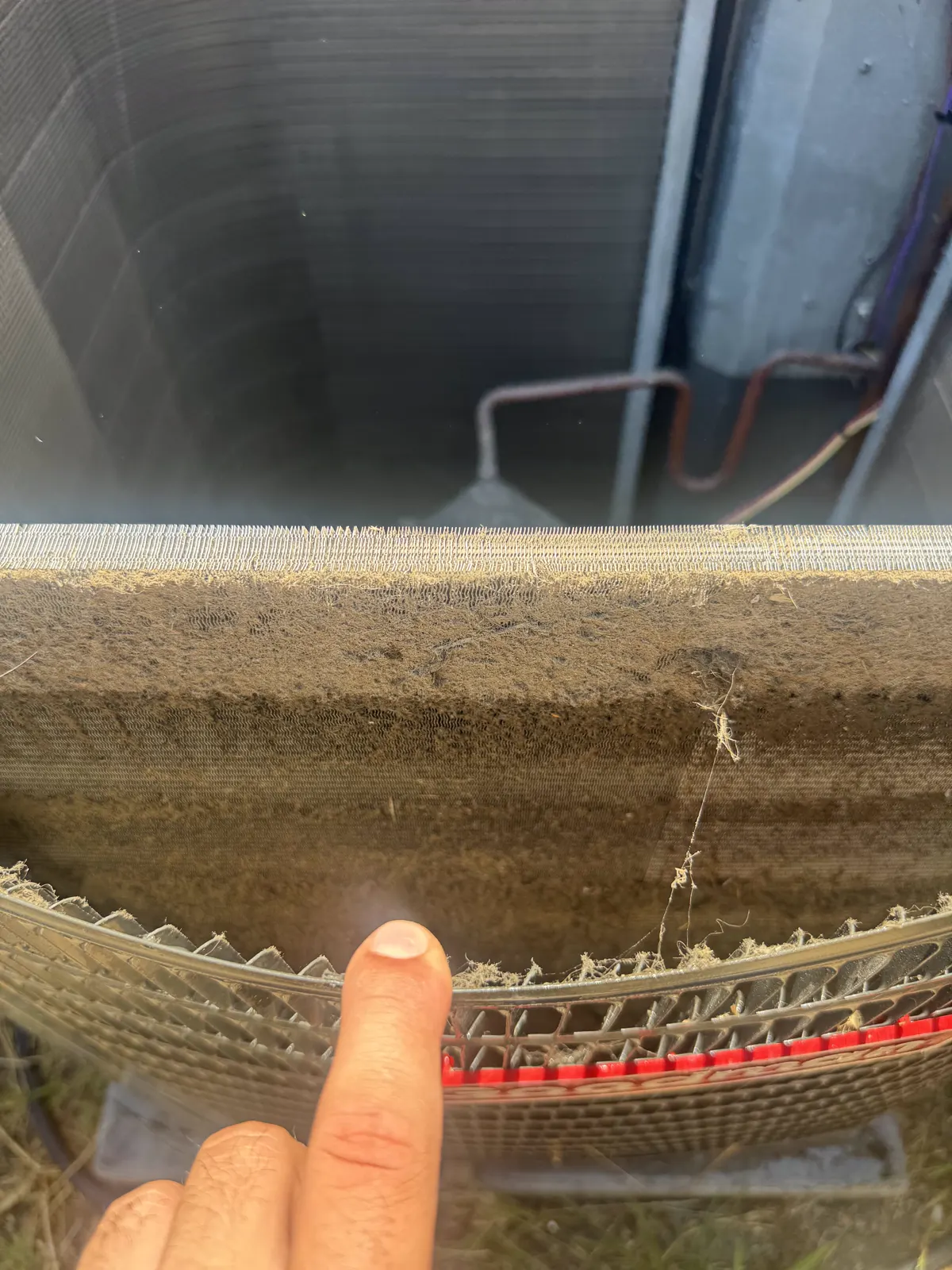
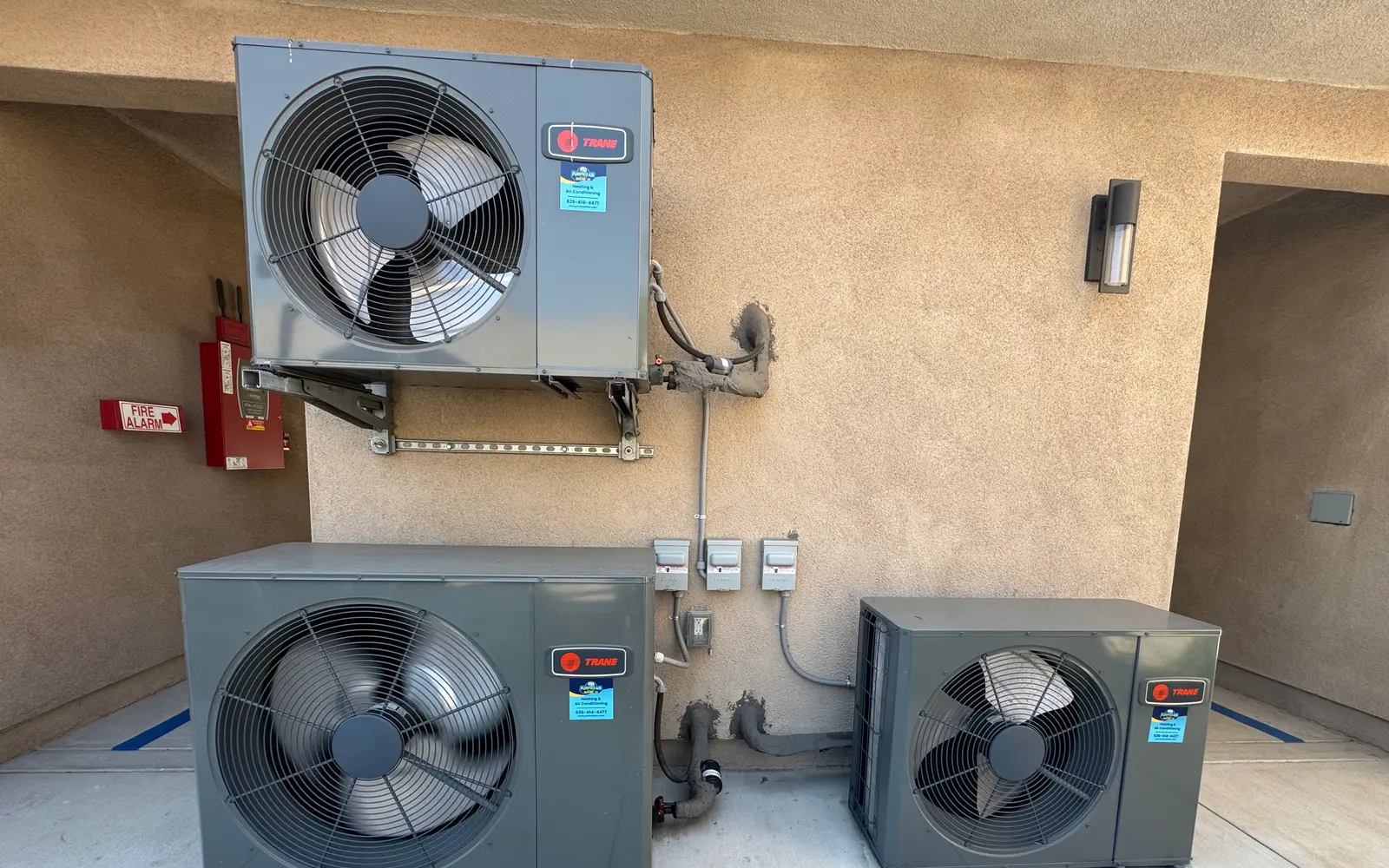
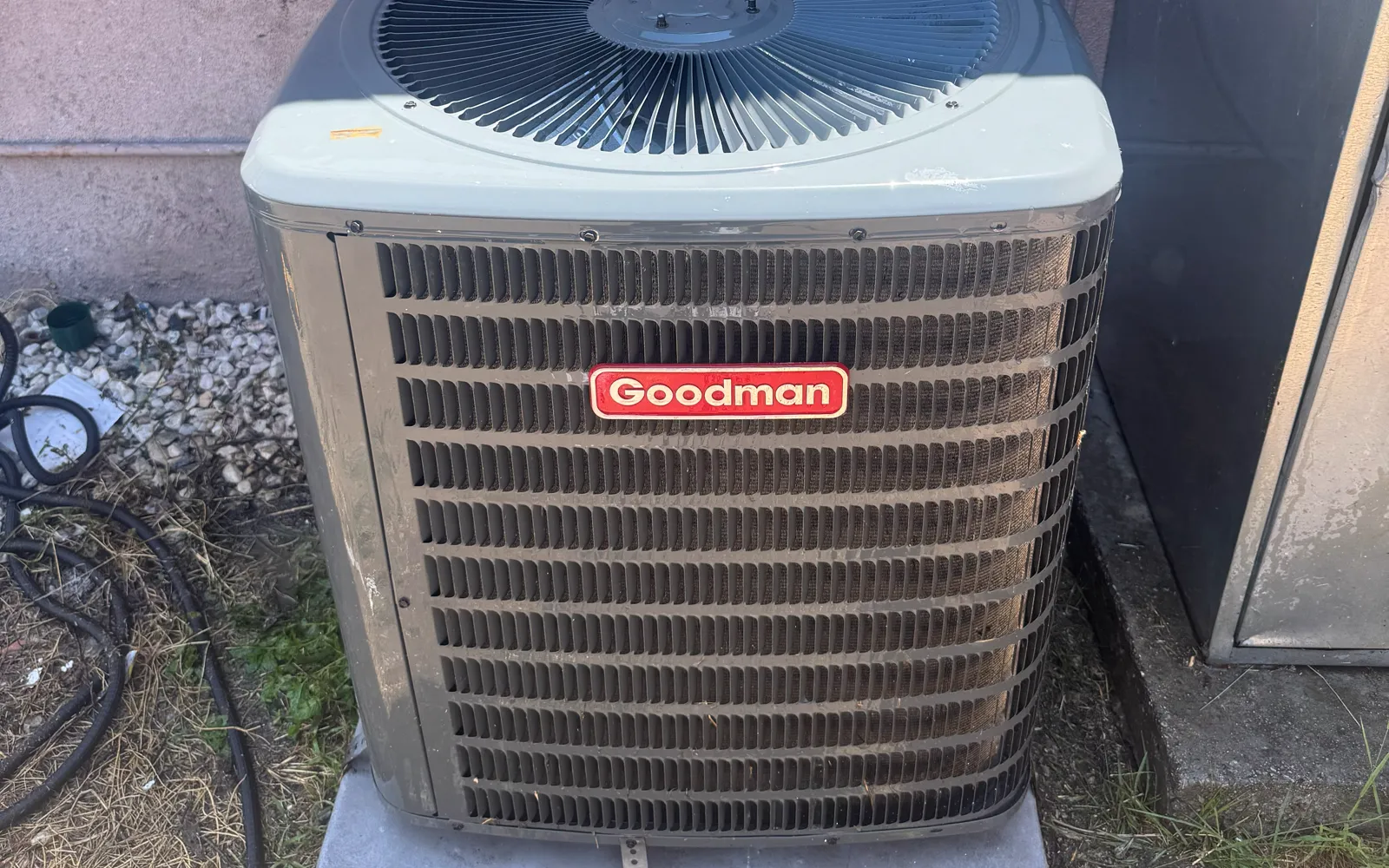
Your condenser, the large unit outside, needs to breathe. It pulls air through its fins to release the heat your system removed from the house, and anything crowding it works against you.
Walk out and take a look. Clear away leaves, grass clippings, trash, and any shrubs or vines that have crept in. Aim for about two feet of open space on all sides. If the fins are caked in dust and pollen, which happens fast here after a dry, windy week, you can gently rinse them with a garden hose from the outside in on a low setting. Skip the pressure washer, since the fins bend easily.
If the coils are so packed with debris that air can barely move through them, a garden-hose rinse will only get you so far. Heavy buildup like that is a sign the unit needs a proper cleaning, and it is worth catching early, since a coil that cannot shed heat makes the whole system work harder and wear out faster. If that is what you are looking at, call Purified Air today at 626-621-2220 and we will get a technician out for a full cleaning and inspection.
5. Make sure your vents are open and clear
Airflow problems are not always at the equipment. Sometimes they are in the rooms.
Walk the house and check that supply registers and return grilles are open and unobstructed. A couch pushed against a return, a rug over a floor vent, or registers closed off in unused rooms can all restrict airflow enough to hurt performance and, in some cases, freeze the system up. Closing vents to save energy usually backfires, since it raises pressure in the ductwork rather than lowering your bill.
6. Check the condensate drain
Your AC pulls moisture out of the air, and that water has to drain somewhere. When the drain line clogs, which is common after a long run of hot days, many systems have a safety switch that shuts everything down to prevent an overflow.
Find the indoor unit and look for standing water in the drain pan beneath it, or water backing up around it. A full pan or a slow, clogged line is a frequent reason a system that was working fine suddenly stops for no obvious reason. If you are comfortable doing it, a wet/dry vacuum on the outdoor end of the drain line can clear a simple clog. If the pan keeps filling, leave it for a pro.
7. Look for ice on the system
If you see ice on the refrigerant lines or a sheet of frost on the indoor coil, turn the system off. Do not keep running it.
A frozen coil almost always traces back to one of two things: restricted airflow from a dirty filter or blocked vents, or low refrigerant. Running the compressor while the system is iced up is one of the fastest ways to cause expensive damage. Switch the thermostat to OFF, set the fan to ON so warmer air moves across the coil, and give it a few hours to thaw. If it freezes again after you have handled the filter and the vents, that points to a refrigerant problem, which is not a DIY fix.
8. Reset, then give it a minute
Modern systems are not always as instant as we expect them to be.
After a power outage, a breaker reset, or a big change on the thermostat, most air conditioners wait three to five minutes before the compressor restarts. That delay is built in on purpose to protect the equipment, so a system that seems dead right after you flip it on may just be counting down. It also helps to keep your expectations realistic on the worst days. Most residential systems are designed to hold the inside about 20 degrees cooler than the outdoor temperature, so during a 105-degree afternoon, a house sitting in the low 80s is the system working correctly, not failing.
When it is time to call
If you have worked through all eight and your system still will not cool, or you run into any of the following, it is time to bring in a technician:
- A breaker that trips again every time you reset it
- A coil that keeps freezing after you have replaced the filter and opened the vents
- Burning smells, grinding or screeching noises, or water that keeps pooling indoors
At that point you are past what a homeowner should tackle, and pushing further can turn a small repair into a big one.
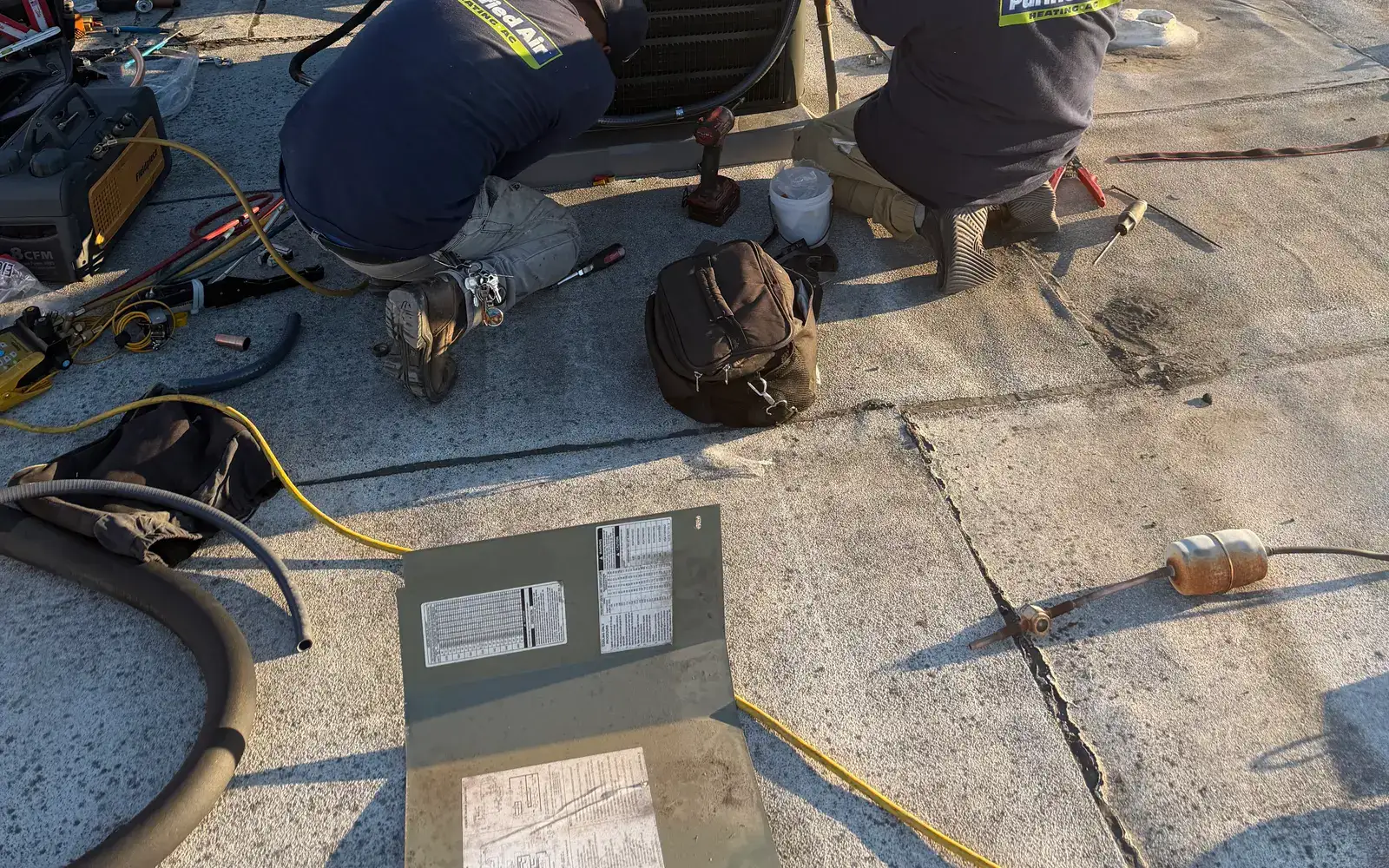
That is where we come in. Purified Air is a family-owned, Lennox Certified team serving Pasadena and the surrounding San Gabriel Valley, and our phones are answered around the clock. Because you have already run the checklist, you can tell us exactly what you saw, which helps us show up ready and get your home comfortable again fast.
Call us anytime at 626-621-2220.