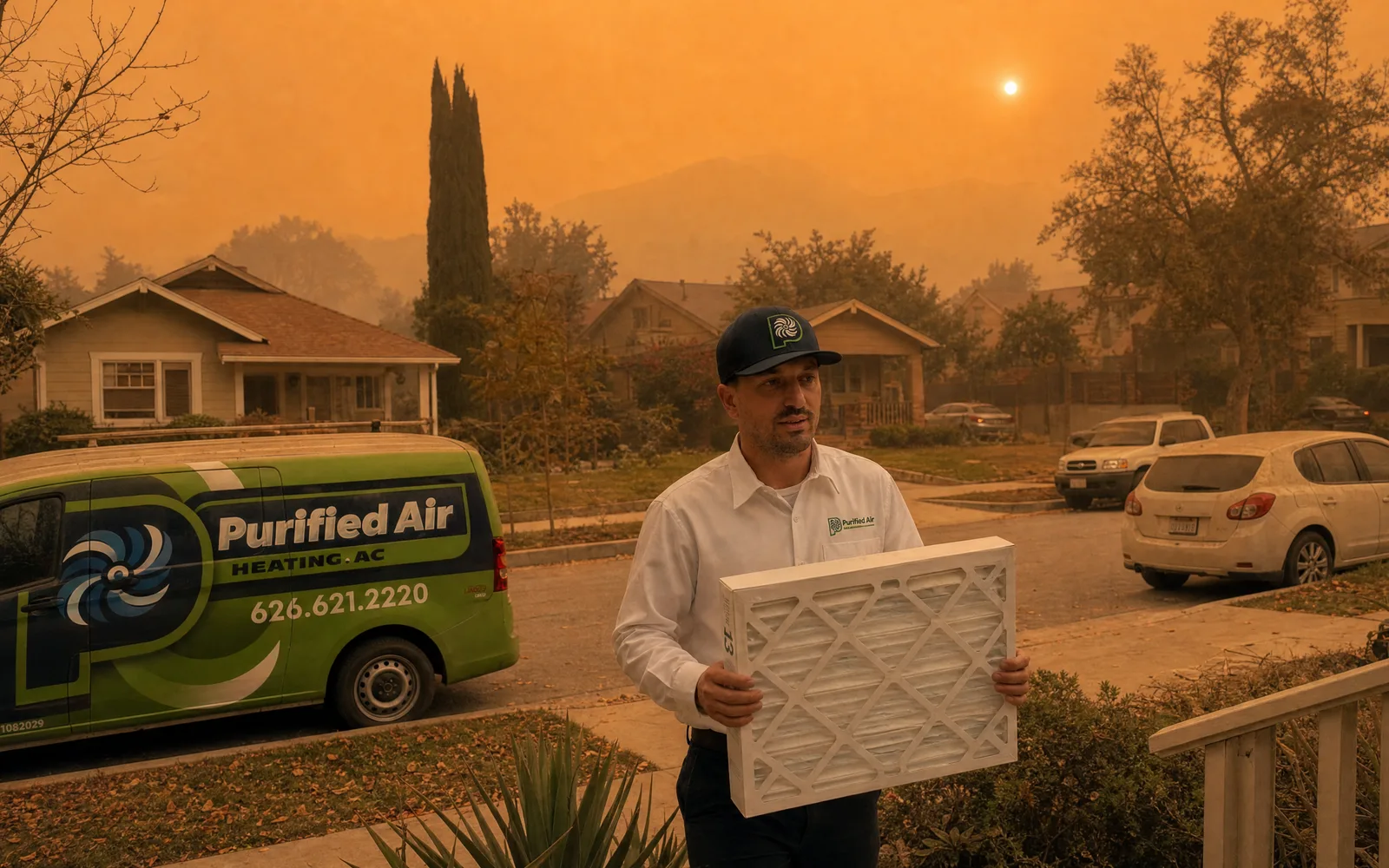
Every fire season in Southern California, the same thing happens. The sky turns that dull orange, you catch the smell of smoke indoors, and you start to wonder how much of it your family is actually breathing. Here is the part most people do not realize: closing the windows is only the beginning, and some of the steps that feel protective do almost nothing. Here is what genuinely helps.
Why indoor air gets worse during a smoke event
Wildfire smoke is dangerous mostly because of what you cannot see. The fine particles in it, known as PM2.5, are small enough to slip deep into the lungs, and they drift indoors through gaps around doors, windows, and older construction far more easily than people expect. In many San Gabriel Valley homes, especially the older Craftsman and mid-century houses common around Pasadena, indoor air on a heavy smoke day can be worse than you would ever guess from looking around the room.
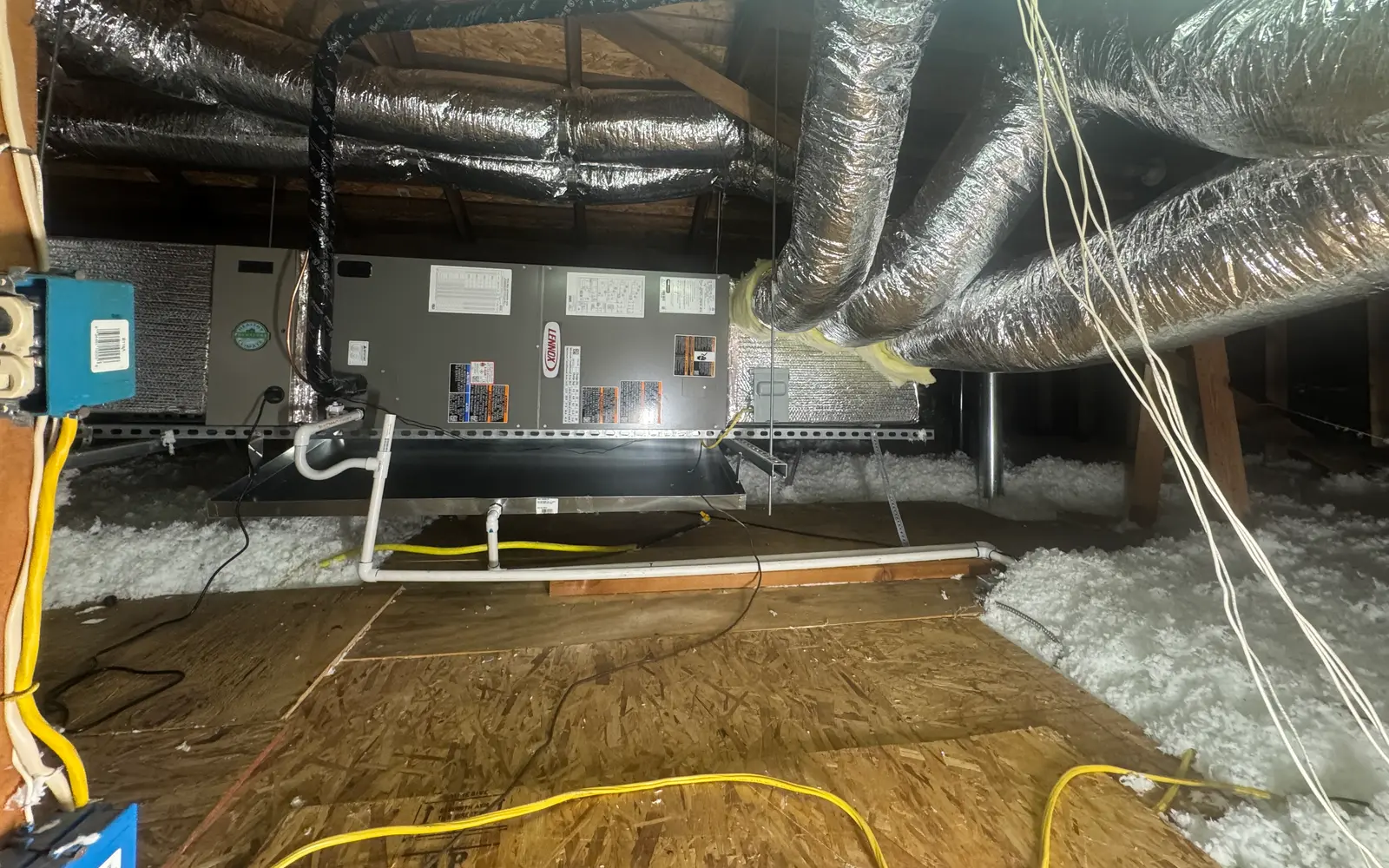
Your HVAC system plays a role too. If it is set to pull in fresh air from outside, it can quietly draw smoke straight into the house. Which brings us to the first real fix.
Set your system to recirculate
Most homeowners never touch this setting, but it matters. If your system has a fresh-air intake or an economizer, close it during a smoke event so it stops pulling outdoor air inside. Run the system so it cycles and filters the air already in your home rather than bringing more smoke in.
If you are not sure whether your system has an outside-air intake or how to switch it, that is worth a quick call to find out before the next bad air day, not during one.
Your filter matters more than almost anything else
This is where indoor air quality is won or lost. A basic fiberglass filter is designed to protect the equipment, not your lungs, and it does very little against smoke particles. To actually capture PM2.5, you want a higher-rated filter, generally in the MERV 13 range.
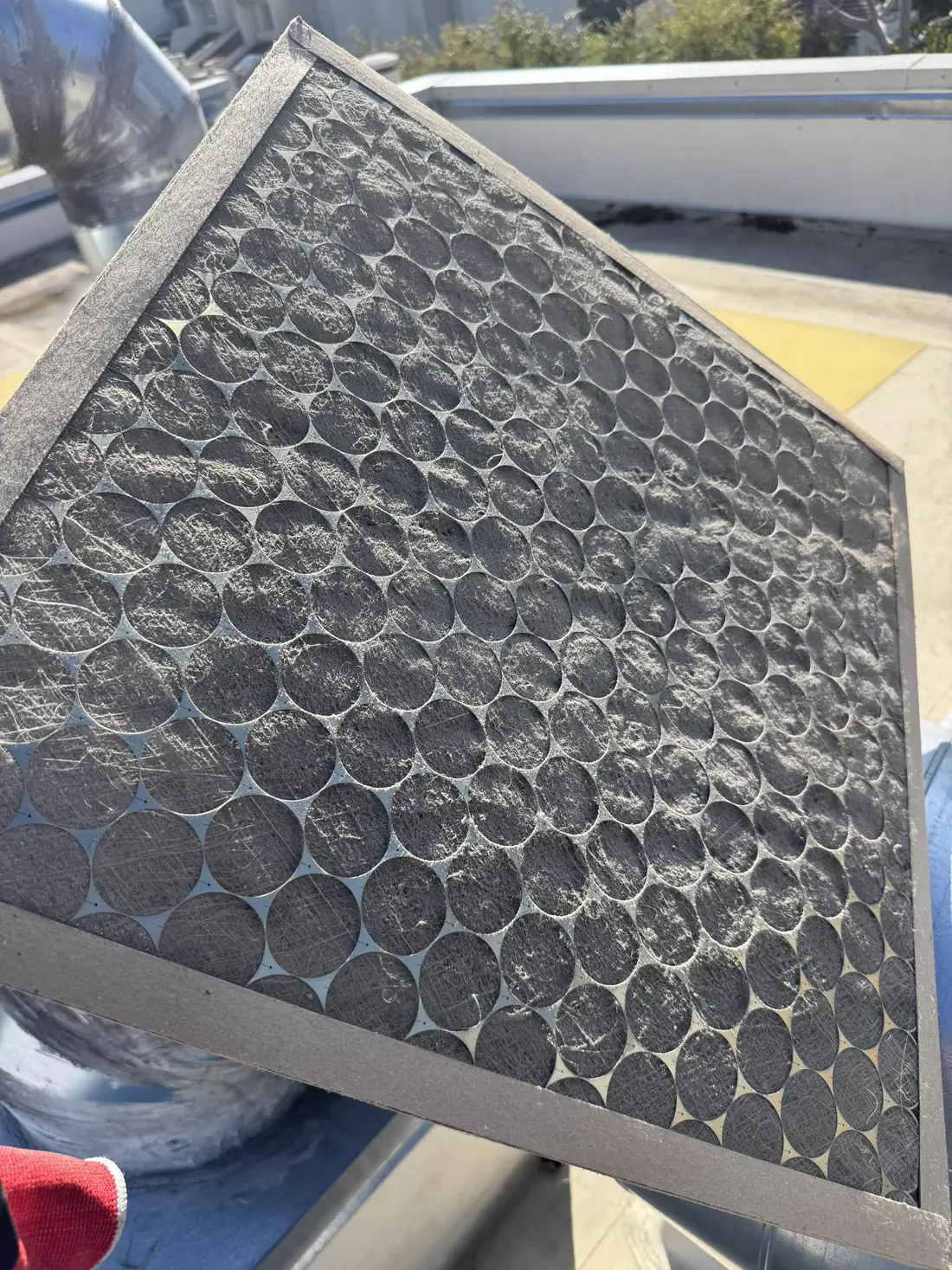
There is a catch worth knowing, though. A denser filter restricts airflow, and some older blowers were never built to pull air through a filter that tight. Push it too far and you can starve the system, hurt performance, and in some cases cause it to freeze or overheat. The right move is to match the filter to what your system can actually handle, which is not the same for every home. If you want the strongest filtration your equipment can safely support, that is a good question to ask a technician rather than guess at.
During an active smoke event, check or change the filter far more often than usual. A filter that would normally last two to three months can load up in a couple of weeks when the air is thick.
Seal the easy gaps
Keep windows and exterior doors shut, and pay attention to the obvious leak points: gaps under doors, an open fireplace damper, or a running bathroom or kitchen exhaust fan that pulls smoky air in from outside. None of this is dramatic, but sealing the easy paths makes everything else you do work better.
What does not actually help
A few things get passed around every fire season that are worth skipping, because they cost you effort and buy you nothing.
- Bowls of water or vinegar set around the house. They do not capture smoke particles at all.
- Houseplants. The research people cite for this involved sealed lab chambers, not a living room during a smoke event. You would need a forest to matter.
- Scented candles, incense, or plug-in air fresheners. These mask the smell while adding more particulate to air that already has too much.
- Opening the windows to air the place out between smoke waves. Unless air quality has genuinely cleared, this undoes the work your filter has been doing for hours.
None of these are harmful in themselves, apart from the candles. They just are not doing the job people think they are.
Add a portable purifier where you sleep
A good portable air purifier with a true HEPA filter is an excellent supplement, particularly in bedrooms where you spend hours at a time. Size it to the room, run it on the smoky days, and think of it as backup for your whole-home system rather than a replacement for it. One unit in a bedroom will not clean a whole house, but it can make the room you sleep in noticeably better.
The real fix for a fire-prone area
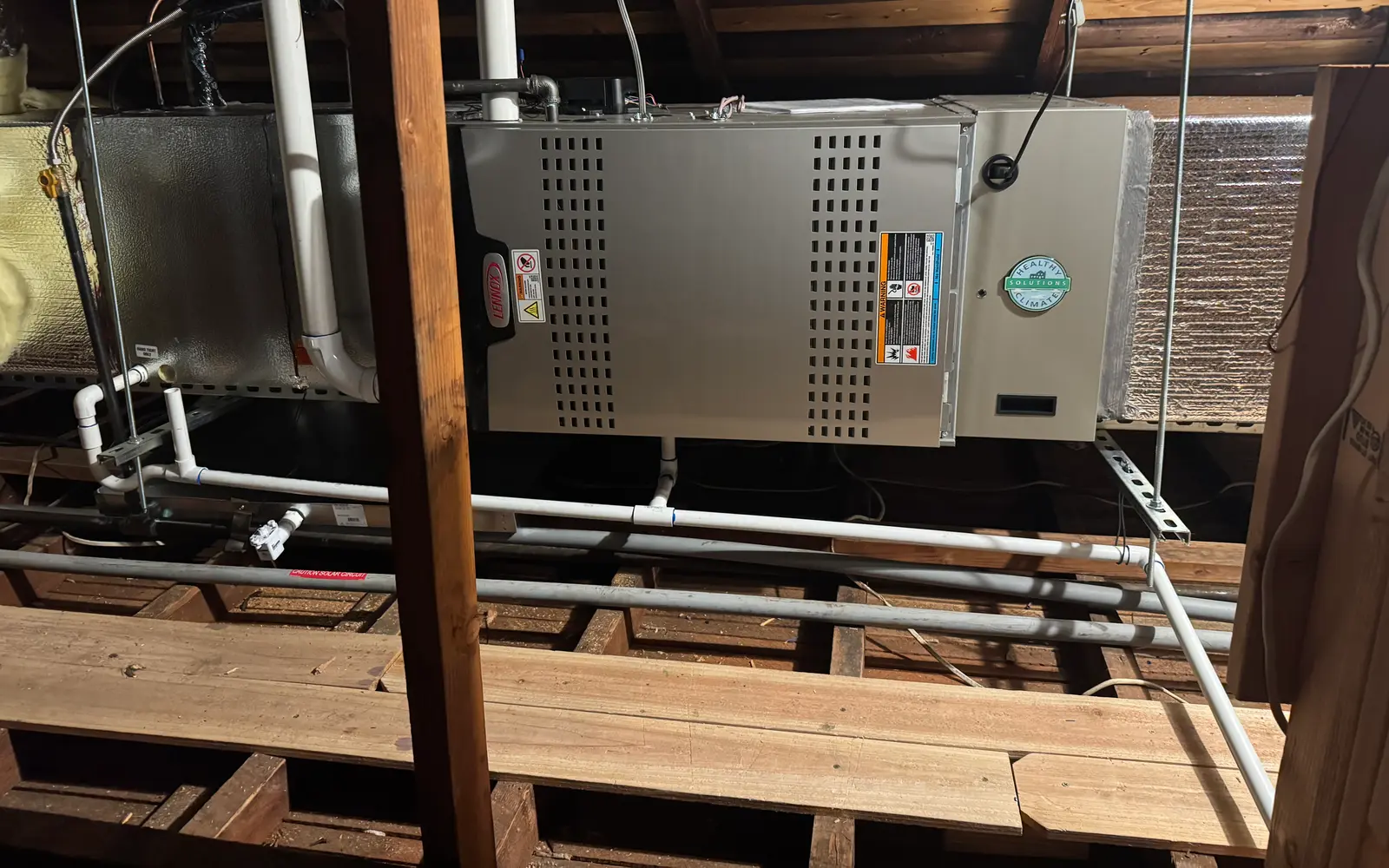
If you live where smoke season is now a regular event, and most of the valley does, it is worth thinking past filters and portable units toward whole-home solutions. Higher-capacity filtration built into your system, or a dedicated air purification system, can handle far more than a store-bought filter and cover the entire house at once. For families with young children, older adults, or anyone with asthma or another respiratory condition, that difference is not just comfort, it is health.
This is the part we care about most, and it is where the name on our trucks comes from. If you want a straight answer on what your home actually needs, from a better filter to a full air purification system, we are glad to take a look.
When to take it seriously
Before you plan your day, check the actual numbers rather than guessing from the sky. AirNow.gov and the South Coast AQMD both publish current air quality for our area, and they will tell you more in ten seconds than looking out the window will.
On heavy smoke days, sensitive groups should stay indoors as much as possible and keep activity low. If anyone in the home has trouble breathing, tightness in the chest, or symptoms that do not ease once they are inside with cleaner air, treat that as a reason to seek medical care rather than something to wait out.
Purified Air is a family-owned, Lennox Certified team serving Pasadena and the surrounding San Gabriel Valley, and clean, healthy indoor air is what we do. If you want your home ready before the next bad air day, call us at 626-621-2220.